
Best Fencing for Dwarf/Mini Goats
This is one of the questions I get from almost every new goat owner. In fact, I'd say 90% of first-time buyers send me photos of the fencing they're planning to use and ask, "Will this work for my little goats?"
We cover the basics in our FAQ, but I wanted to go into more detail because good fencing is one of the most important investments you'll make.
Many people assume that because dwarf and mini goats are small, they don't need much of a fence. Unfortunately, the opposite is true.
Goats are natural climbers. Their ancestors lived in rocky, mountainous terrain—not flat, fenced pastures. They are incredibly curious, athletic, and determined to explore anything on the other side of a fence. They don't just test boundaries—they make it their hobby.
Most residential garden fencing is designed to keep rabbits out or deer from coming in. It is not designed to contain a 70-pound ball of muscle with the agility of a gymnast and the determination of a toddler.
If you build your fencing with goats in mind from the beginning, you'll save yourself a lot of frustration (and money) later.
Four Questions to Ask Before You Build
Every farm is different, so start by asking yourself these questions:
How many goats do you think you'll have? (Then multiply that number by five to estimate how many you'll eventually own!)
Will you be keeping a breeding buck on your property?
Will your goats spend most of their day on pasture, or will they live primarily in a smaller pen?
What predators live in your area?
Your answers will determine how substantial your fencing needs to be, but my advice is always the same:
Overbuild now. It is much easier—and usually less expensive—to build it right the first time than to rebuild it after your goats teach you what doesn't work.
Every Goat Pen Should Have
No matter how many goats you own, I recommend these minimum standards:
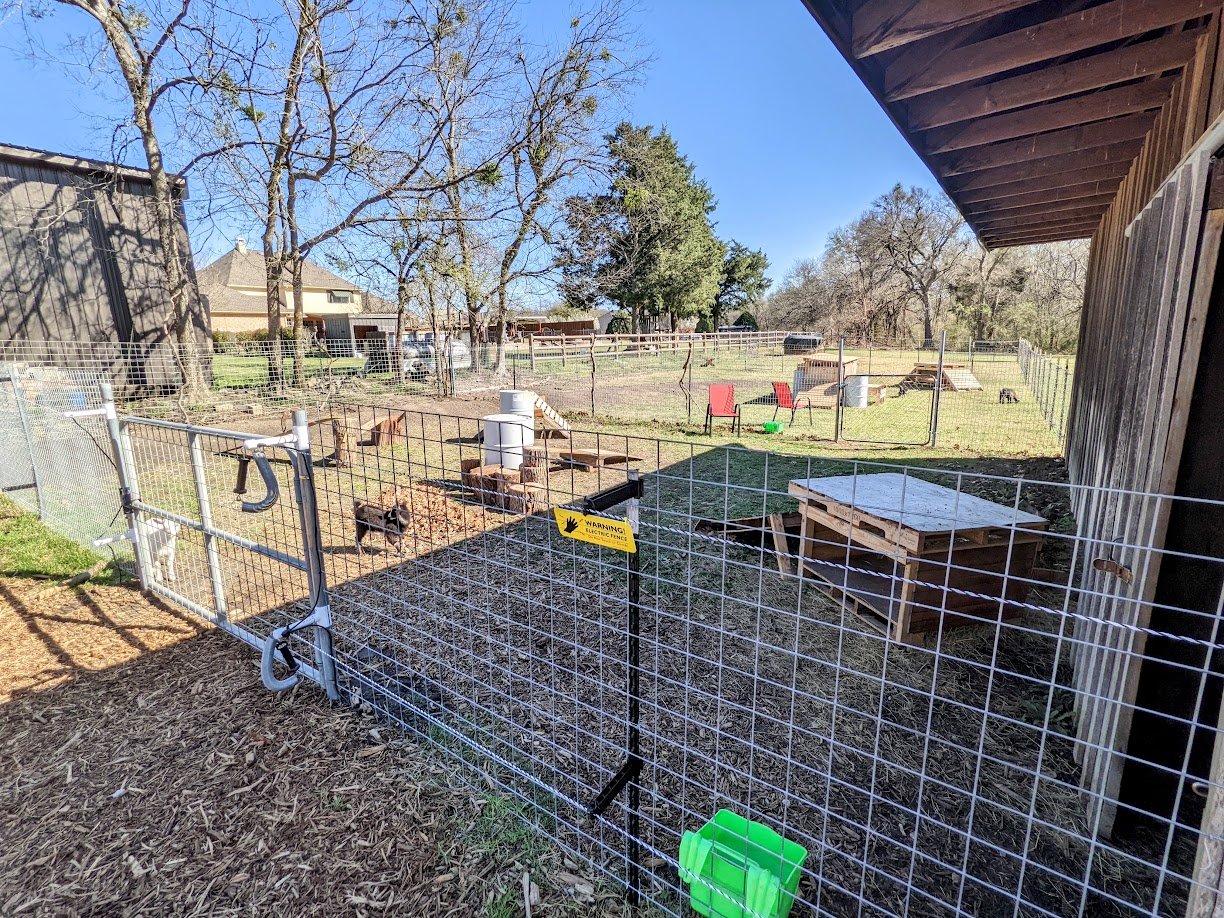
Fencing at least 4 feet high
Rolled woven wire or livestock panels (horse panels are my favorite)
T-posts spaced no more than 6 feet apart
Secure gates with latches that can be locked or clipped shut. If a child can easily open it, there's a good chance a goat eventually will too.
Climbing structures positioned at least 4 feet away from the fence line so they can't use them as launch pads.
Planning for a Larger Herd
If you think you'll eventually have more than 10 goats, designing with flexibility from the beginning will make life much easier.
Build Multiple Pens
Just like people, goats have friends—and goats they would rather avoid.
Having multiple pens allows you to:
Separate incompatible animals.
Rotate groups when needed.
Introduce new goats gradually.
Isolate sick or injured animals.
Allow Plenty of Space
A good starting point is about 100 square feet for every two goats, with additional pasture whenever possible.
More space means less competition, less bullying, and happier goats.
Create a Double-Gate Entry
Sooner or later, you'll own an escape artist.
A small "airlock" entrance—similar to a dog park—can save countless headaches. Yes, it requires two gates, but it prevents goats from rushing out every time you walk in.
Trust me—you won't regret it.
Add Catch Pens
Small pens within your larger enclosure make routine management much easier. They're invaluable when it's time for:
Hoof trimming
Vaccinations
Health checks
Deworming
Separating goats for feeding
Trying to catch one specific goat in a large herd without a catch pen quickly turns into a game that only the goats enjoy.
If You Plan to Breed
Breeding goats requires a few extra considerations.
Smaller Fence Openings
Use fencing with openings smaller than 4 inches.
Baby goats can squeeze through surprisingly small spaces. If they can fit their head through, they'll usually fit the rest of their body through as well.
Keep Bucks Well Away From Does
A single fence is rarely enough.
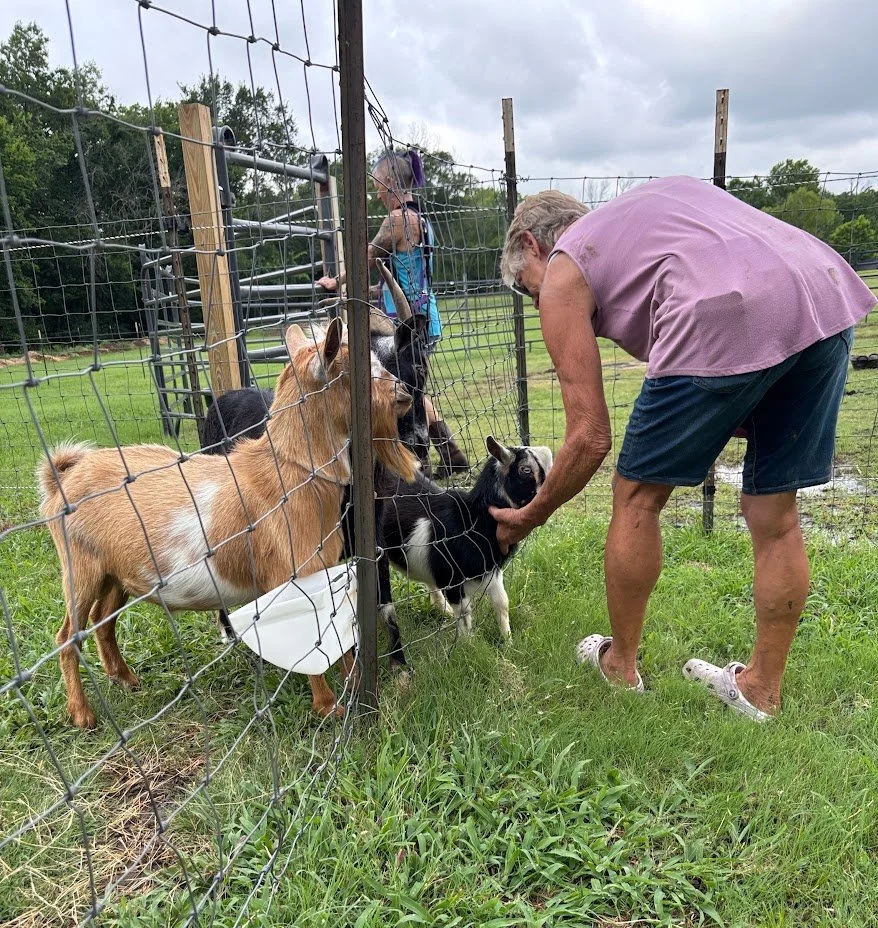
Bucks will absolutely breed does through a fence if given the opportunity, and a determined buck can do significant damage trying to reach a doe in heat.
Ideally, keep bucks out of sight of the does. If that isn't possible, leave an empty alley or an additional fence line between them.
Your fences—and your breeding schedule—will thank you.
Plan Your Milking Area
If you'll be milking, dedicate a covered, fenced area for your milk stand.
Once one doe discovers that the milk stand comes with an all-you-can-eat buffet of grain, every other doe will suddenly decide she wants to be milked too.
Having a separate area keeps the process calmer, cleaner, and much more organized. And trust me—you won't want to be milking in the rain.
Don't Forget Birthing Pens
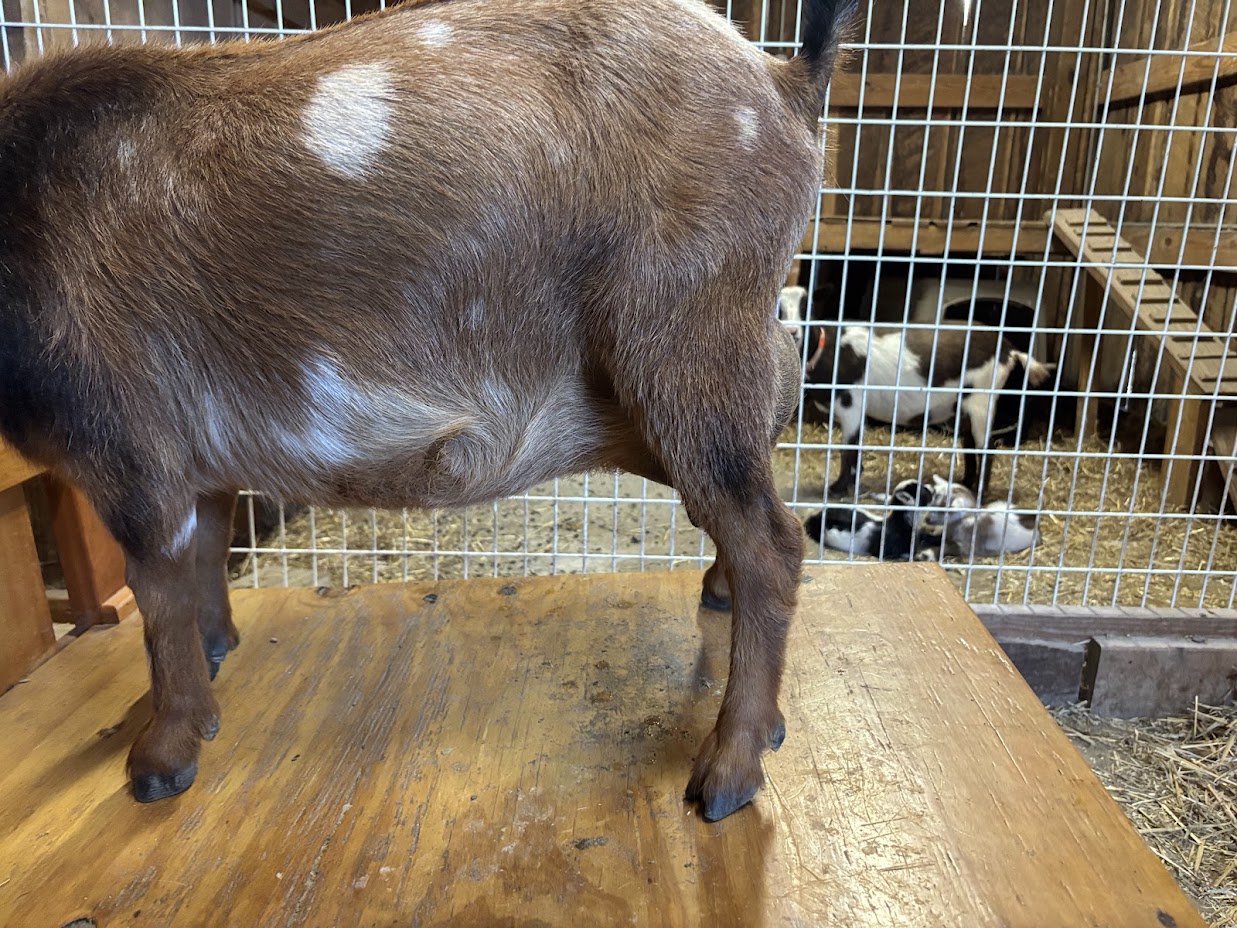
Have one or two kidding pens ready before you need them.
These don't have to be elaborate, but they provide a quiet place where a doe can bond with her kids for the first few days before returning to the herd.
That little bit of privacy often makes those first days much less stressful for everyone.
Pasture Makes a Difference
Goats that spend most of their day browsing on pasture are generally happier, healthier, and far less interested in testing your fencing.
They have room to move, plenty to eat, and enough stimulation to keep themselves occupied.
Goats confined to smaller pens, however, become creative.
Bored goats will:
Scratch themselves on fences until they loosen them.
Experiment with every gate latch.
Chew on shelters.
Stand on anything they can climb.
Try to sneak out every time you open the gate.
Adding scratching brushes or broom heads to the fence can help satisfy their need for a good scratch and reduce wear on your fencing.
If your goats will spend more time penned than pastured—as ours do—don't skimp on your fencing.
Build stronger than you think you'll need.
Your future self will appreciate it.
Predator Protection
Your fencing isn't just there to keep your goats in—it's also there to help keep predators out.
In our area, the biggest concerns are coyotes, bobcats, and hawks. While healthy adult mini goats are usually less vulnerable, newborn kids can quickly become targets.
A well-built fence with no gaps underneath is your first line of defense against coyotes. Bobcats can climb, so secure kidding pens and sturdy shelters are especially important during birthing season. Hawks can prey on very small kids, so providing shelters, trees, or covered areas gives them a safe place to get out of sight from above.
We install electric fence a foot from the bottom and at the top of the fence on the outside to prevent anything from digging under or climbing over.
Bring young kids into closed shed at night and inspect your fencing regularly for damage or weak spots. Predators usually look for the easiest opportunity, so good fencing and thoughtful management go a long way toward keeping your herd safe.
Livestock guardian dogs are a great option as well.
Final Thoughts
Good fencing isn't just about keeping goats in—it's about keeping them safe.
A secure fence protects them from predators, prevents accidental breedings, keeps them away from dangerous roads or toxic plants, and makes your daily chores much easier.
The best fencing is the kind you don't have to think about because it simply works.
Build it once, build it well, and let your goats spend their time climbing on everything except your fence.